
No products in the cart.
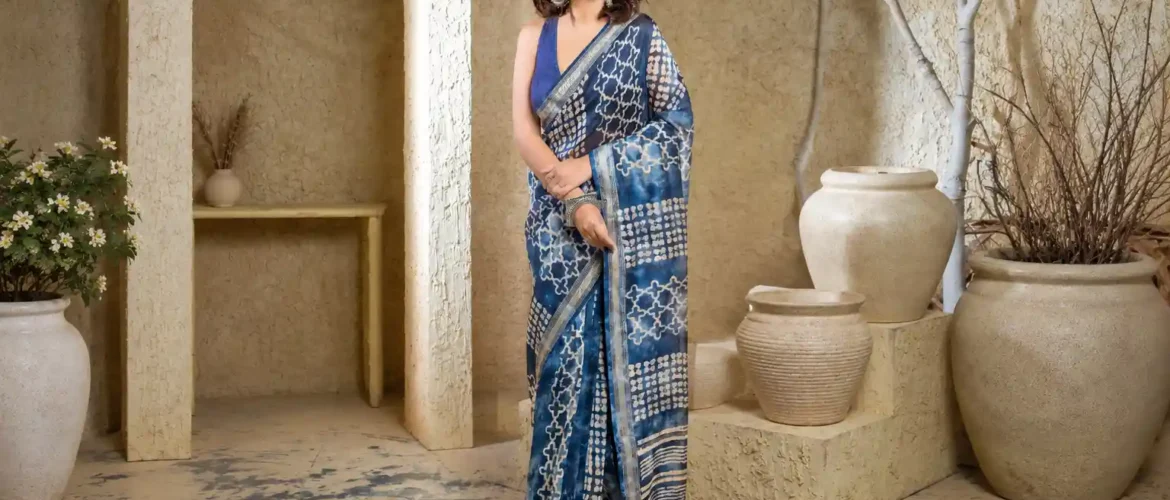
Do Kosa Silk Sarees Crease More Than Banarasi or Kanjivaram?
A kosa silk saree is admired for its natural golden sheen, textured finish and lightweight elegance. However, one concern often arises before purchasing this traditional fabric: does it crease more easily than Banarasi or Kanjivaram silk?
While silk saree wrinkles are common, the extent of creasing depends on the fabric’s weave, thickness, texture and handling. Kosa, Banarasi, and Kanjivaram sarees behave differently because of their distinct constructions.
Understanding these differences helps you choose a saree that looks beautiful and remains comfortable throughout an occasion. This guide compares their crease resistance, explains practical care methods and helps you decide which silk suits your wardrobe.
What Is a Kosa Silk Saree and Why Does Its Texture Matter?
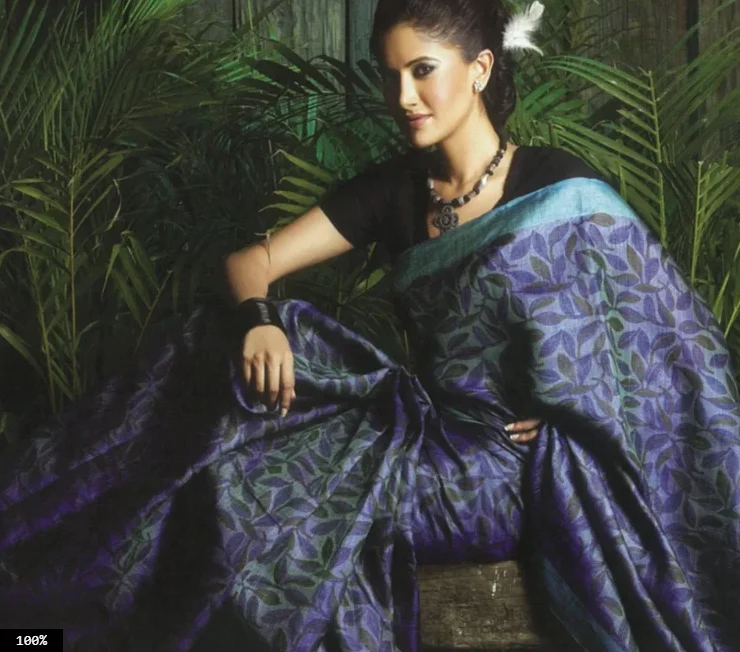
Kosa silk is a variety of tussar silk traditionally associated with Chhattisgarh. Unlike smoother silk varieties, it features a slightly coarse, uneven texture with a distinctive natural sheen.
Kosa silk from Chhattisgarh is particularly recognised for its traditional weaving techniques, earthy shades and lightweight structure.
A pure kosa silk saree typically offers:
- A natural golden or copper-toned lustre
- A slightly grainy, textured surface
- A lightweight and breathable feel
- A graceful yet somewhat structured drape
- Natural variations in yarn thickness
These characteristics influence how the fabric responds to folding and pressure. Unlike heavily woven silk varieties, a lightweight handloom silk saree made from Kosa may develop noticeable fold lines after prolonged storage. However, its textured surface can make smaller wrinkles less obvious than they would appear on exceptionally smooth fabrics.
Why Do Silk Sarees Crease in the First Place?
Silk fibres bend when subjected to pressure, folding or prolonged sitting. When the fabric remains compressed, temporary fold lines can develop.
Several factors influence crease formation:
- Fabric thickness: Lightweight silk may show fine wrinkles more readily, depending on its weave.
- Weave structure: Tightly woven materials often retain their shape differently from loosely woven fabrics.
- Moisture: Humidity can influence how silk fibres respond to pressure.
- Storage: Keeping sarees folded in one position for months can create persistent lines.
- Wearing habits: Sitting for extended periods can produce wrinkles around the waist and pleats.
Understanding these factors is essential because no natural silk fabric is completely crease-resistant.
Kosa vs Banarasi vs Kanjivaram: Crease Comparison
Although all three are traditional Indian sarees, their weaving styles create different experiences when worn.
How Much Does a Kosa Silk Saree Crease?
Kosa silk can develop visible fold lines, particularly when tightly folded or packed for extended periods. Its naturally uneven texture may conceal minor wrinkles, although sharper creases can still remain noticeable.
When discussing tussar vs kosa silk, remember that Kosa belongs to the broader tussar family. Their differences often concern regional production, yarn preparation and weaving methods rather than completely separate silk categories. Kosa is particularly suitable for people who appreciate natural texture over a perfectly smooth appearance.
Does Banarasi Silk Crease More?
A Banarasi silk saree often features elaborate brocade weaving, decorative motifs and zari work. Heavier Banarasi varieties can maintain a structured appearance, while lighter varieties may crease more noticeably.
The result largely depends on the weave and yarn combination. Smooth sections may reveal sharp fold marks, whereas intricate brocade patterns can visually disguise minor creases. Therefore, Banarasi silk is not automatically more wrinkle-resistant than Kosa.
Does Kanjivaram Silk Crease Less?
A Kanjivaram silk saree is traditionally associated with substantial silk yarns, firm weaving and decorative borders. Many traditional Kanjivaram sarees possess enough body to maintain defined pleats and a structured drape. This can reduce the appearance of minor crumpling during wear. However, thicker fabric does not eliminate creasing. Deep folds caused by prolonged storage may remain visible.
The important distinction: Fabric construction matters more than the saree’s regional name when evaluating wrinkle resistance.
Quick Comparison Table
| Feature | Kosa Silk | Banarasi Silk | Kanjivaram Silk |
| Fabric Weight | Usually lightweight to medium | Lightweight to heavy | Often medium to heavy |
| Texture | Grainy and naturally uneven | Smooth to richly textured | Smooth, firm and structured |
| Crease visibility | Moderate; texture disguises fine wrinkles | Varies with weave and brocade | Fine wrinkles may be less prominent |
| Ease of care | Gentle handling required | Extra care around zari | Careful folding and storage |
| Ideal occasions | Daytime, festivals, and celebrations | Weddings and formal functions | Weddings and traditional ceremonies |
How to Remove Creases From a Kosa Silk Saree
If your saree develops wrinkles, avoid immediately applying high heat.
Understanding how to iron a silk saree can help preserve its natural lustre.
Follow these steps:
- Check the care label: Confirm whether ironing or steaming is permitted.
- Use low heat: Select the appropriate silk setting if ironing is allowed.
- Turn it inside out: Protect the decorative surface from direct contact.
- Place a cotton cloth: Keep a clean pressing cloth between the iron and silk.
- Avoid prolonged pressure: Move gently without holding the iron in one position.
- Allow cooling: Let the fabric cool completely before folding.
For mild creases, carefully hanging the saree may help reduce some fold marks. Professional pressing is preferable for expensive, embroidered or heavily embellished pieces. Avoid spraying water directly onto silk, as certain dyes and finishes may develop watermarks.
Storage and Care Tips to Keep Silk Crease-Free
Proper storage is just as important as careful ironing.
Knowing how to store silk sarees can help prevent sharp folds and unnecessary fabric damage.
Consider these practical habits:
- Use breathable coverings: Wrap sarees in clean, soft cotton or muslin rather than tightly sealed plastic.
- Change folding positions: Refold occasionally to prevent permanent fold marks.
- Avoid overcrowding: Do not compress silk sarees beneath heavy garments.
- Protect from sunlight: Store silk in a shaded, dry cupboard to minimise fading.
- Keep moisture away: Ensure sarees are completely dry before storage.
- Handle zari carefully: Avoid unnecessary rubbing or pressure around embellished sections.
After wearing, allow the saree to air in a shaded, well-ventilated space before putting it away. These simple habits can preserve the fabric’s texture and help extend its usable life.
Where to Find Genuine Kosa Silk Sarees in Kolkata
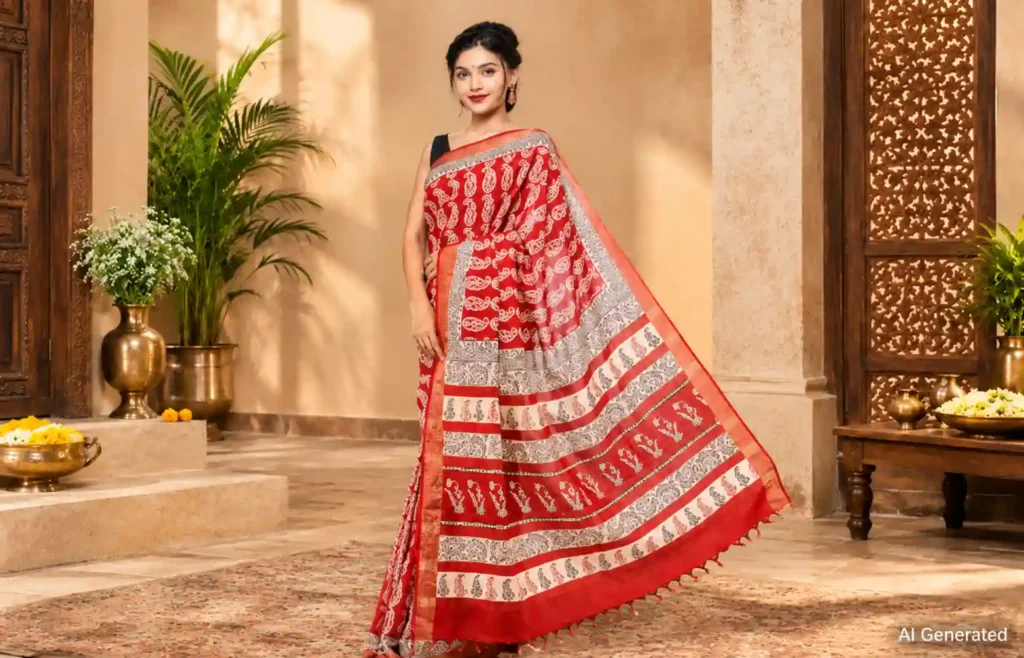
Choosing genuine Kosa silk requires attention to fabric composition, weaving details and seller transparency.
Explore a trusted Kosa silk saree collection that provides clear information about materials, craftsmanship and care instructions.
Before purchasing, consider these points:
- Check whether the saree is pure silk or a blended fabric
- Look for authentic product descriptions and detailed photographs
- Ask about certification or reliable silk authenticity documentation
- Examine the border, pallu and texture closely
- Understand the seller’s return and exchange conditions
A dependable retailer should help you understand the product rather than relying entirely on promotional claims.
Which Silk Is Best for You?
Kosa silk does not necessarily crease more than any Banarasi or Kanjivaram variety. Lightweight Kosa may develop fold lines, but its textured appearance can disguise smaller wrinkles. Banarasi offers decorative richness, although crease visibility varies significantly between different weaves. Kanjivaram generally provides a more structured drape, especially in heavier traditional varieties. Choose Kosa for breathable comfort and understated elegance, Banarasi for intricate festive designs, or Kanjivaram for a substantial ceremonial appearance.
Ultimately, the best silk depends on your comfort, occasion, preferred drape and willingness to care for the fabric.
Explore Traditional Kosa Silk Elegance
Looking for an authentic kosa silk saree in Kolkata? Discover beautifully woven traditional designs, elegant colours and timeless craftsmanship at Mrignayani.
Shop from our online store to explore sarees that bring together heritage, comfort and effortless festive style.
People Also Ask
1. How can you tell if a Kosa silk saree is pure or fake?
Check the fabric composition, seller documentation and recognised silk certification where available. Natural texture alone cannot confirm authenticity. Avoid relying exclusively on touch or shine.
2. Is a Kosa silk saree comfortable in Kolkata’s humid weather?
Yes, lightweight Kosa sarees can be comfortable in humid conditions because of their relatively breathable construction. Comfort also depends on the weave, blouse fabric and weather.
3. Can a Kosa silk saree be worn at weddings, or only for daytime occasions?
Kosa sarees are suitable for both. Rich colours, decorative borders and elegant jewellery can make them attractive choices for weddings and evening celebrations.
4. Does a Kosa silk saree need to be dry-cleaned every time, or can it be hand-washed?
Professional cleaning is often safer for delicate, dyed or embellished Kosa sarees. Hand-washing should only be considered when the manufacturer specifically permits it.
5. Which colours of Kosa silk saree work best for festive wear?
Maroon, mustard, emerald green, royal blue and traditional golden shades are popular festive choices. Select colours according to your jewellery, occasion and personal preference.